
Miami-Dade County · The City Beautiful
Coral Gables: the planned city that stayed planned.
Coral Gables is the rare Miami neighborhood where the 1920s plan actually held: tree-lined streets, Mediterranean architecture, and zoning rules that keep it that way. I help buyers navigate its luxury market, from historic villas to new construction, with the homework done upfront. This is a premium pocket, and I won’t pretend otherwise.
Emmanuel's take
What I'll tell you about Coral Gables.
The Gables is old money with a deed restriction. George Merrick built it in the 1920s as a Mediterranean dream, and the city still enforces it: historic districts, strict design review, approvals for changes most cities wouldn’t blink at. That’s the whole point. It keeps values steady and the streets beautiful.
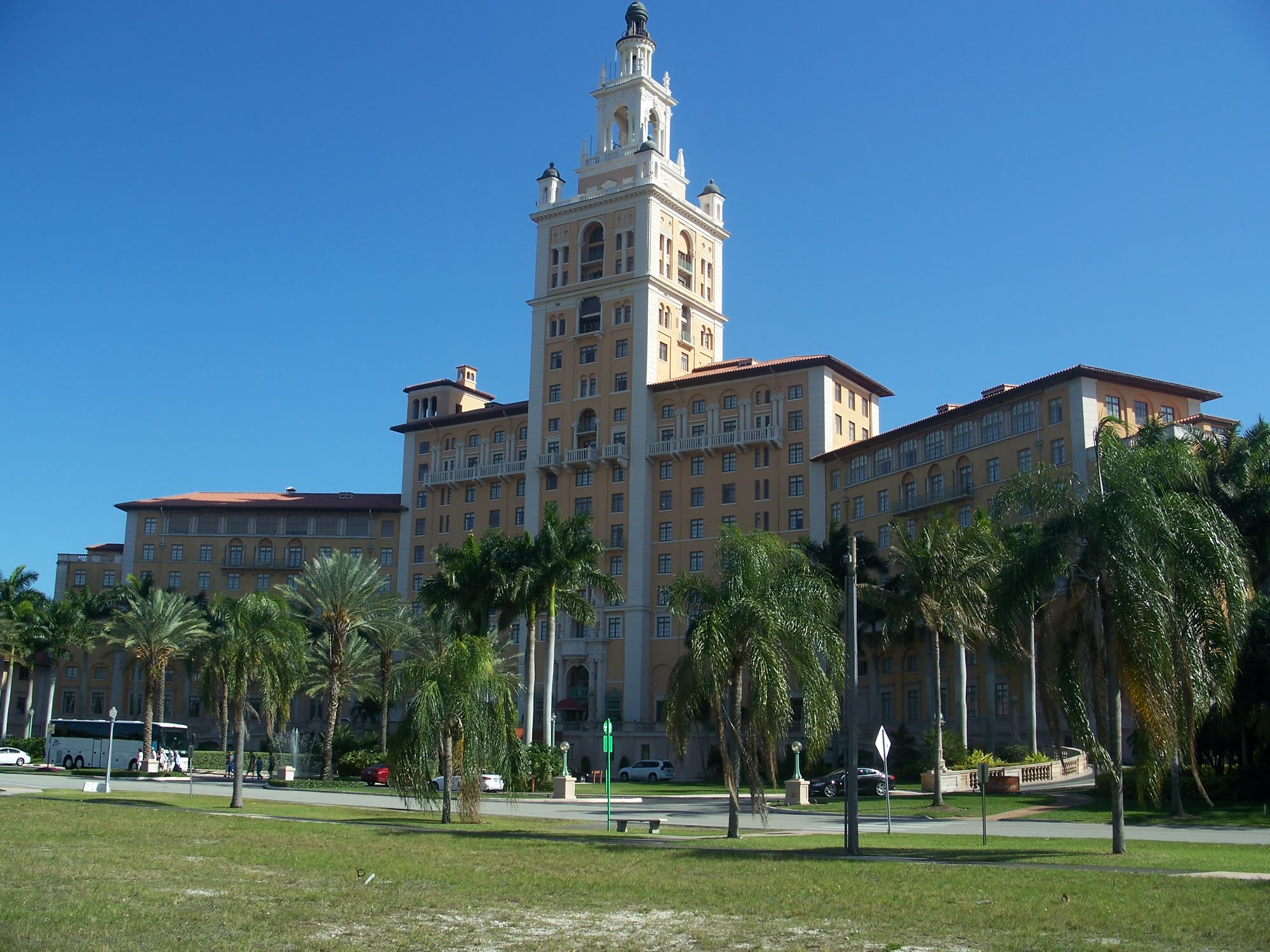
My honest take: this is the most protected investment in Miami-Dade, and you pay for the protection. Homes here cost more than almost anywhere in the county, the city’s rules act like a permanent HOA, and insurance on older homes needs real homework. But the Biltmore has stood since 1926 for a reason. This place holds.
If you’re buying here, buy right: check the historic designation status, budget the insurance early, and walk Miracle Mile like a resident, not a tourist. I’ll walk you through the zoning so there are no surprises after closing. Call me at (786) 302-7630. Hablo español.
Market snapshot
Coral Gables by the numbers.
Market stats are refreshed monthly. Text me for today's numbers. They move fast.
The local guide
Know Coral Gables before you buy.
The lifestyle
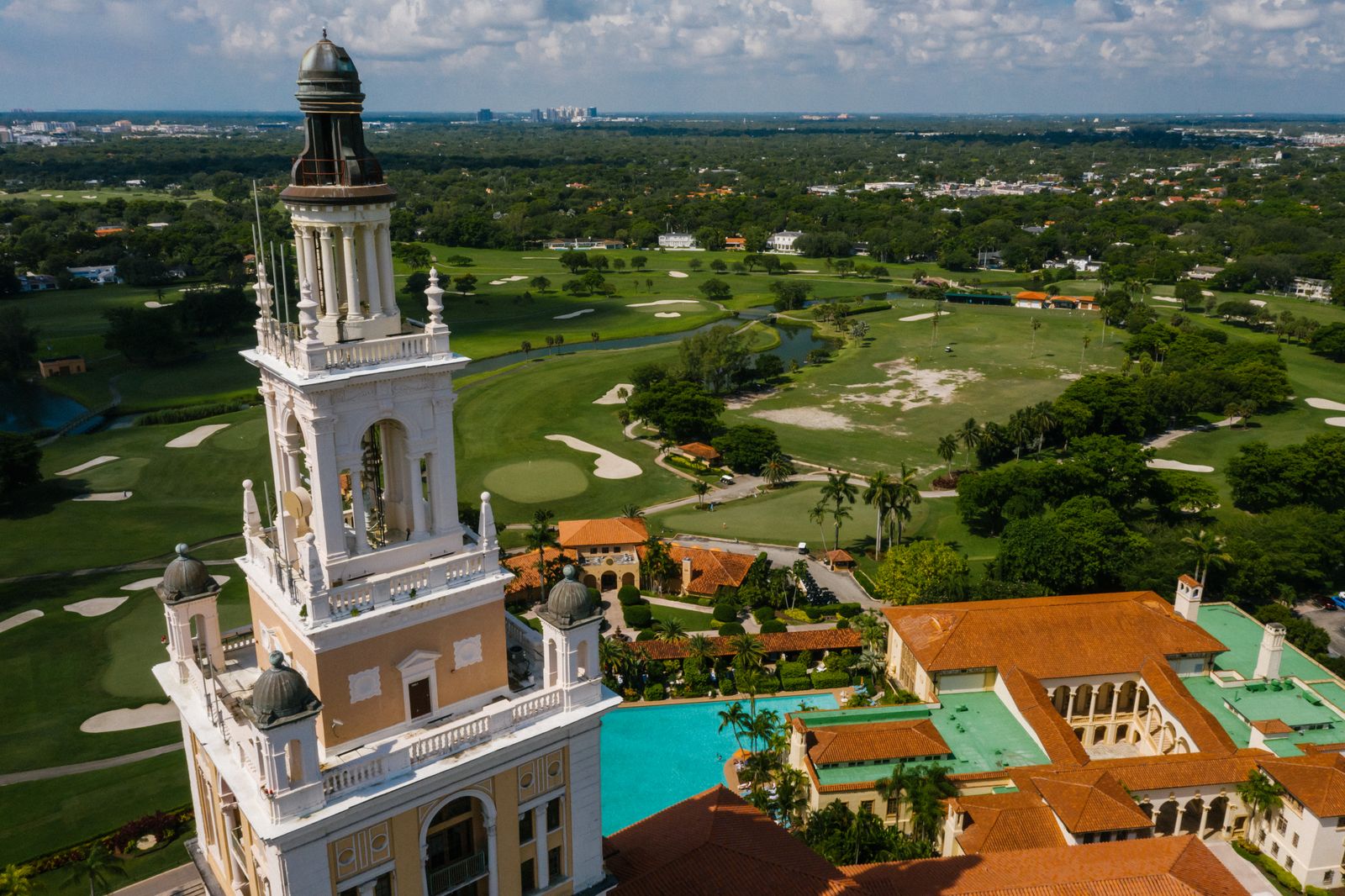
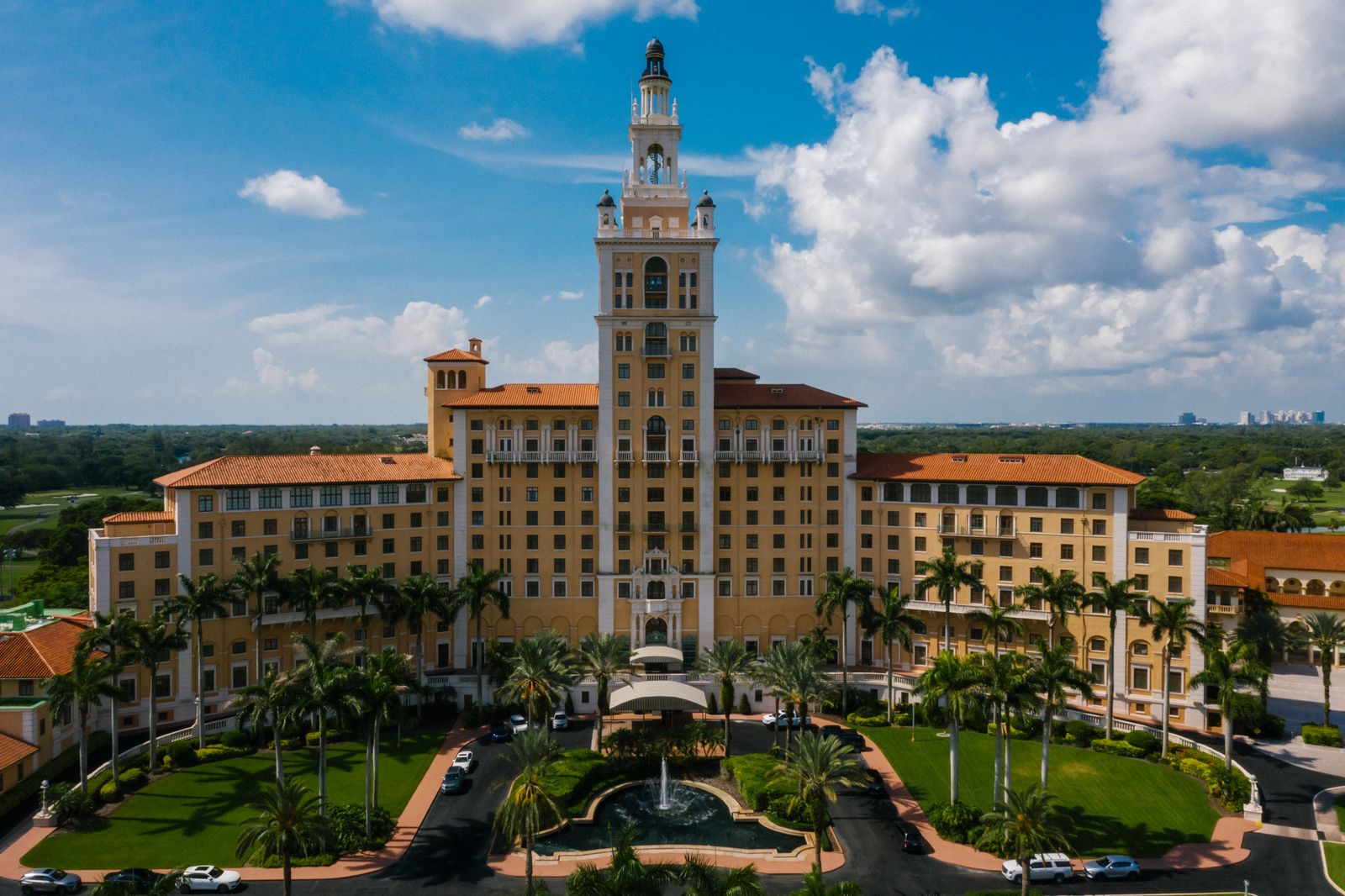
Coral Gables lives outdoors and eats well. Miracle Mile and the surrounding blocks are stacked with restaurants, boutiques, and theaters, and the Biltmore Hotel anchors the luxury end as a National Historic Landmark from 1926, with its famous pool and golf course. The city’s canopy of mature trees makes it one of the shadiest walks in the county. People stay here for decades, and the social calendar reflects it: golf, garden clubs, and festivals that locals actually attend, not just tourists.
Buying here
Start with zoning and historic status, because they shape everything: what you can change, what you can build, and what needs city approval before you touch it. Get insurance quotes early, since older Mediterranean homes can carry higher premiums and some need wind-mitigation upgrades like shutters and roof straps. Budget for the city’s strictness as a feature, not a bug: it’s why values hold through every cycle. And tour the specific block at different hours, because the Gables changes personality between morning, evening, and weekend.
Getting around
The Gables sits close to everything: minutes to downtown Miami, Coconut Grove, South Miami, and Miami International Airport. US-1 and the Gables’ own street grid handle most trips, and the free trolley system covers the commercial corridors. Commuting north on I-95 is the main pain point, so if your office is downtown, test the drive at rush hour before you commit. Weekday rush hour is real, but weekends feel like a resort town.
Schools
Coral Gables is zoned to Miami-Dade County public schools, and the area’s private school options are among the strongest in South Florida, drawing families from across the county. Several well-known bilingual and college-prep schools sit within a short drive, which matters to the international families who buy here. Don’t assume the zoned school from a listing alone: confirm boundaries with the district, tour in person, and ask about magnet options nearby. School choice here is an advantage if you plan for it.
On the ground
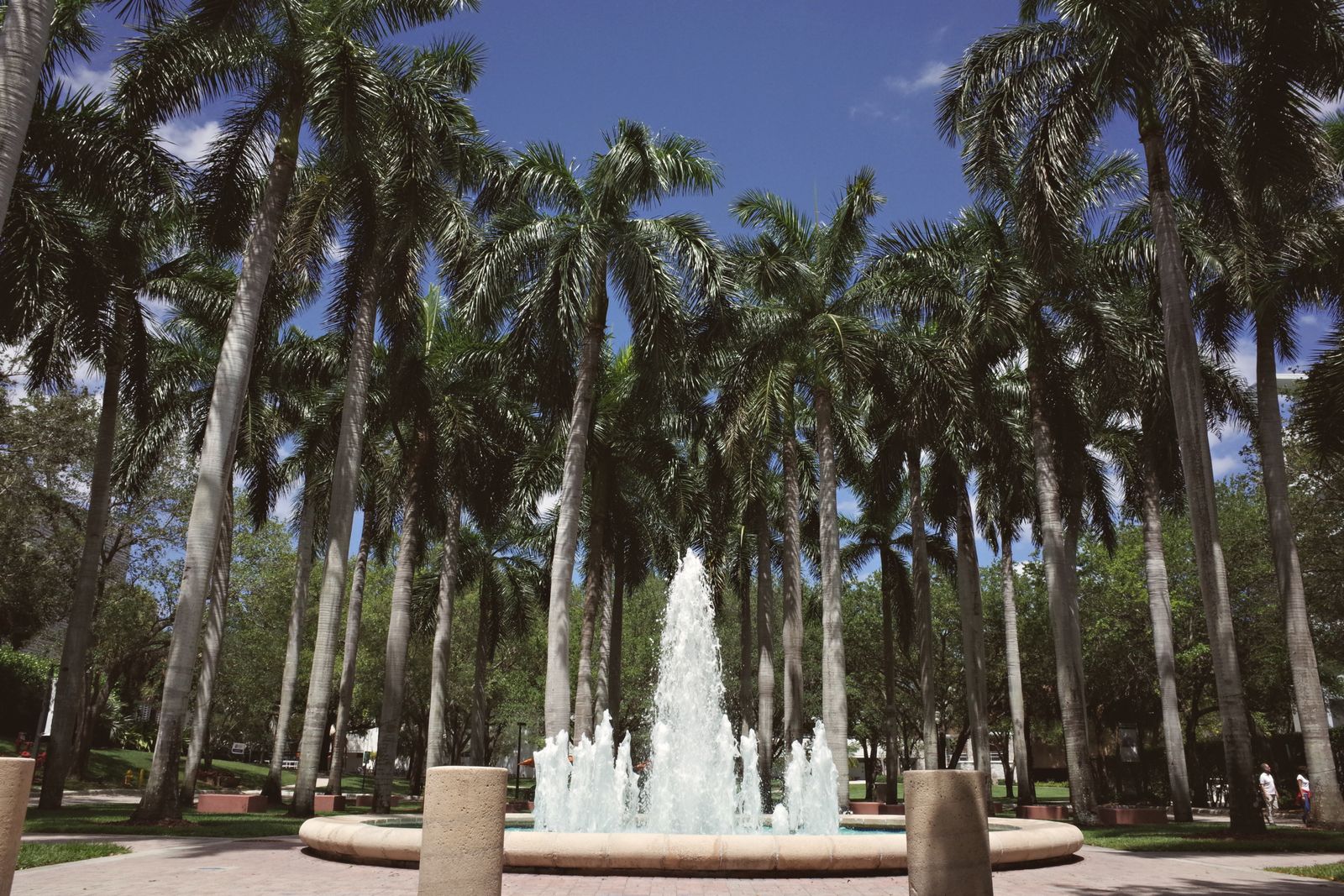
Coral Gables, through my lens.
Buyer questions
What people ask me about Coral Gables.
Is Coral Gables a good place to buy?
If your budget fits, it’s one of the safest long-term holds in Miami-Dade. The historic character, strict zoning, and tree-lined streets aren’t changing, which protects values through every market cycle. You pay a premium for that protection, and the insurance and approval process take patience. Buy here for the lifestyle and the long term, not for a quick flip.
Why are Coral Gables homes so expensive?
Scarcity and protection. The historic districts and strict zoning limit what can be built, the Mediterranean architecture is genuinely irreplaceable, and the location near downtown, the airport, and the water is fixed. Demand from executives, professionals, and international buyers stays steady year after year. You’re paying for a neighborhood that legally can’t be ruined.
What’s the deal with Coral Gables zoning rules?
They’re strict, and that’s the feature, not the bug. Historic districts require design review for exterior changes, and the city enforces architectural standards most places dropped decades ago. Before you buy, I help you check whether the property sits in a historic district and what that means for your renovation plans. Surprises after closing are the expensive kind.
How is the insurance situation on older homes?
Get quotes during inspection, not after closing. Older Mediterranean homes can carry higher premiums, and wind-mitigation upgrades like shutters, straps, and roof updates can lower them meaningfully. I connect buyers with agents who actually write these policies, and we factor the real number into the monthly budget before you commit to anything.
Is Coral Gables a good investment?
It’s a hold-and-appreciate market more than a cash-flow market. Values hold because supply is capped by historic zoning and demand from executives and professionals stays steady. Luxury rentals exist, and my pitch applies here too: buy with me, I’ll get it rented through Lima Pro Management. Run the numbers honestly and buy for the long term.
Thinking about Coral Gables?
Buying, selling, or just curious what your options look like: it starts with a conversation. No pressure, no obligation.
Hablo español: English y español, start to finish. 🇩🇴