
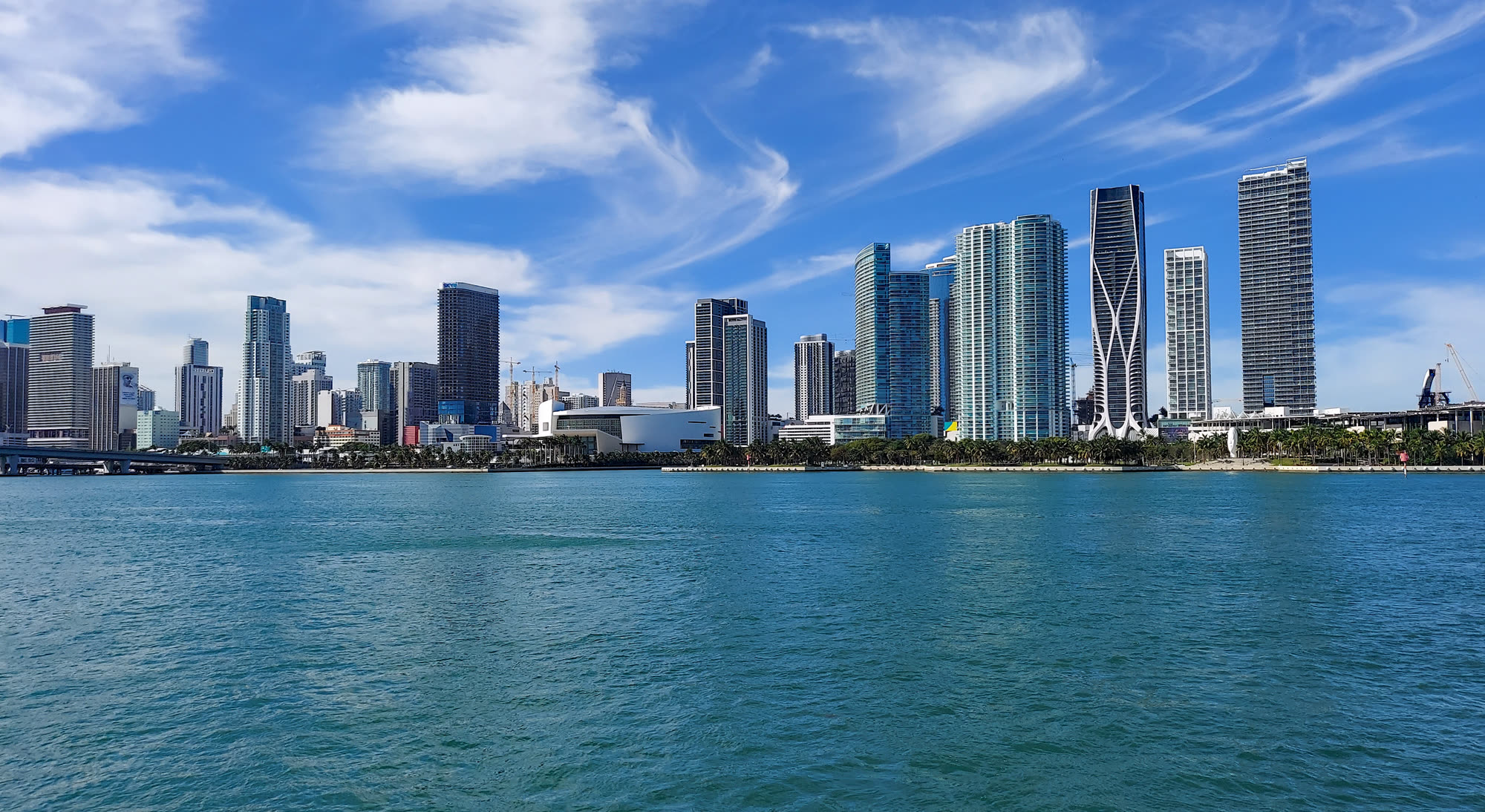
Miami-Dade County · The whole map, one realtor
Buying in Miami? I’ll show you the whole map.
Miami isn’t one market, it’s a dozen neighborhoods that each play by their own rules, and buying the wrong street costs real money. I’m Emmanuel Lima, a realtor who works all of Miami-Dade, from Homestead up to Miami Lakes and over to the beach. First condo, family home, or investment: I’ll show you the whole map before we pick a corner of it.
Emmanuel's take
What I'll tell you about Miami.
I don’t sell one neighborhood, I sell Miami-Dade. I grew up in Kendall and Cutler Bay, I live in Homestead, and I’ve closed deals from Hialeah to the Redlands. Knowing this county like the back of my hand is the actual product.
The honest version: every pocket has its own rules. Condos downtown behave nothing like single-family homes in the suburbs, flood insurance is a line item in the east and a footnote in the west, and the commute math is different block to block. My job is knowing which is which before you fall in love with a listing.
That’s why my pitch is simple: buy with me, I’ll get it rented. I run Lima Pro Management too, so if your property ever needs to become income, the team is already in the building. Call or WhatsApp me at (786) 302-7630. Hablo español.
Market snapshot
Miami by the numbers.
Market stats are refreshed monthly. Text me for today's numbers. They move fast.
The local guide
Know Miami before you buy.
Why people buy here
Miami is three markets in a trench coat: the urban core, the suburban ring, and the beach towns, and each one runs on different logic. People buy here for the weather, the Latin flavor, and a job market that keeps pulling families south. The gap between neighborhoods is the whole story: what buys a condo near downtown buys a house with a yard south of Kendall, and the commute, schools, and insurance change with the zip code. Start with the lifestyle you actually want, then match the neighborhood to it, not the other way around.
The buying playbook
Get pre-approved before you tour anything, because good listings in Miami move in days, not weeks, and sellers ignore buyers who aren’t ready. Then rank your non-negotiables: commute, schools, HOA budget, insurance zone. Flood zones and condo reserves are where budgets quietly die, so read the HOA docs and get the insurance quote during inspection, not after. Don’t let a pretty kitchen distract from a bad location: in Miami, you can renovate the house, but you can’t renovate the street, the flood map, or the traffic.
Getting around
Nobody in Miami loves the commute, so plan your life around it. The Turnpike and the Palmetto move you north to south, I-95 and the Dolphin go east to west, and US-1 strings the whole east side together. Metrorail serves a few corridors, but most buyers drive, so test-drive the actual route at rush hour before you commit to a neighborhood. An extra twenty minutes each way is a cost you pay every single day, and it’s the number one reason buyers regret a purchase here.
Schools
Miami-Dade runs one of the country’s biggest school districts, with magnet programs that pull strong students from across the county and neighborhood schools that vary street by street. Private options are everywhere if that’s your lane, and many families mix public and private by grade. Don’t buy based on a ranking site alone: tour the actual school your address zones to, ask the front office about capacity and programs, and check the boundary maps before you close. School lines redraw more often than people think.
On the ground
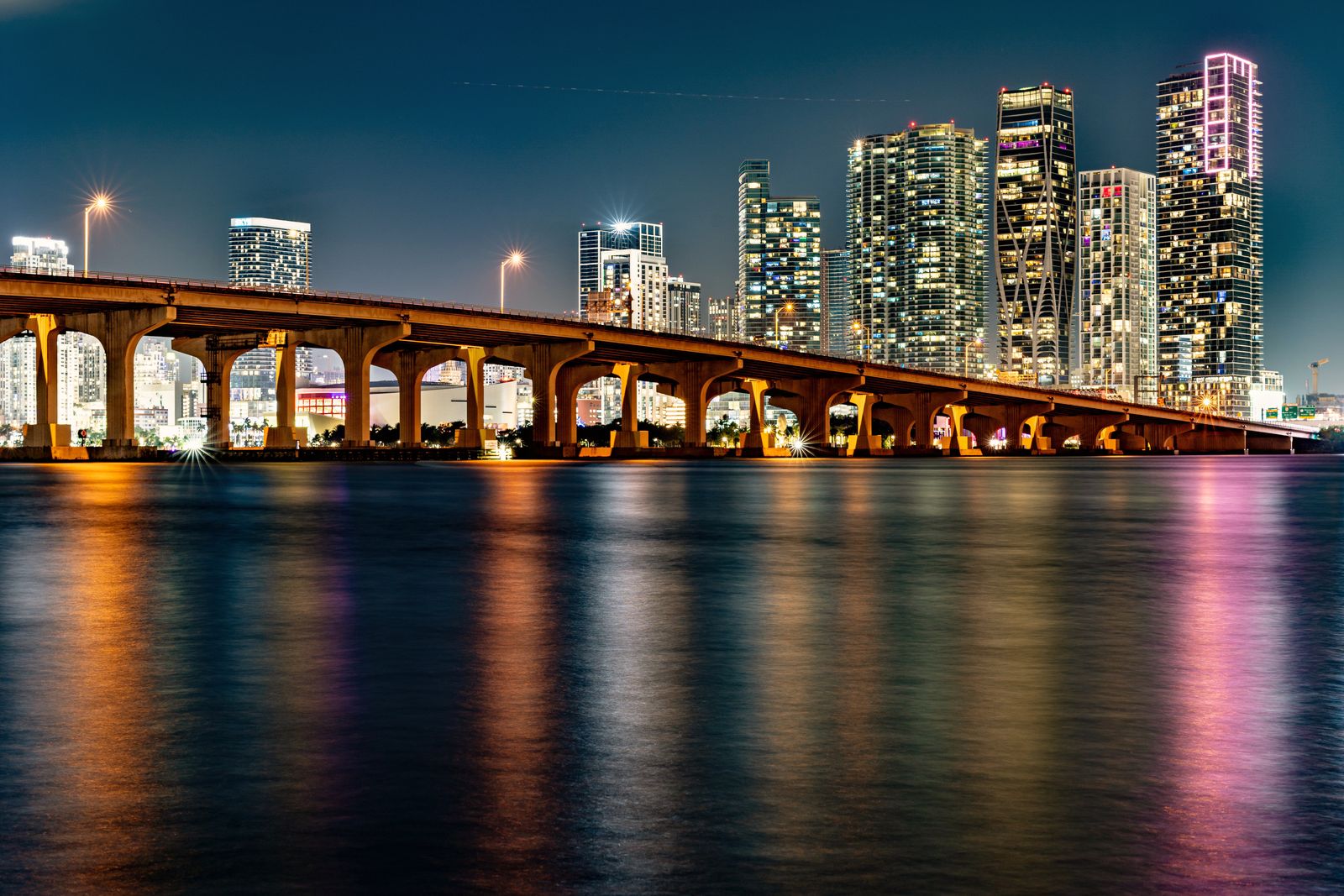
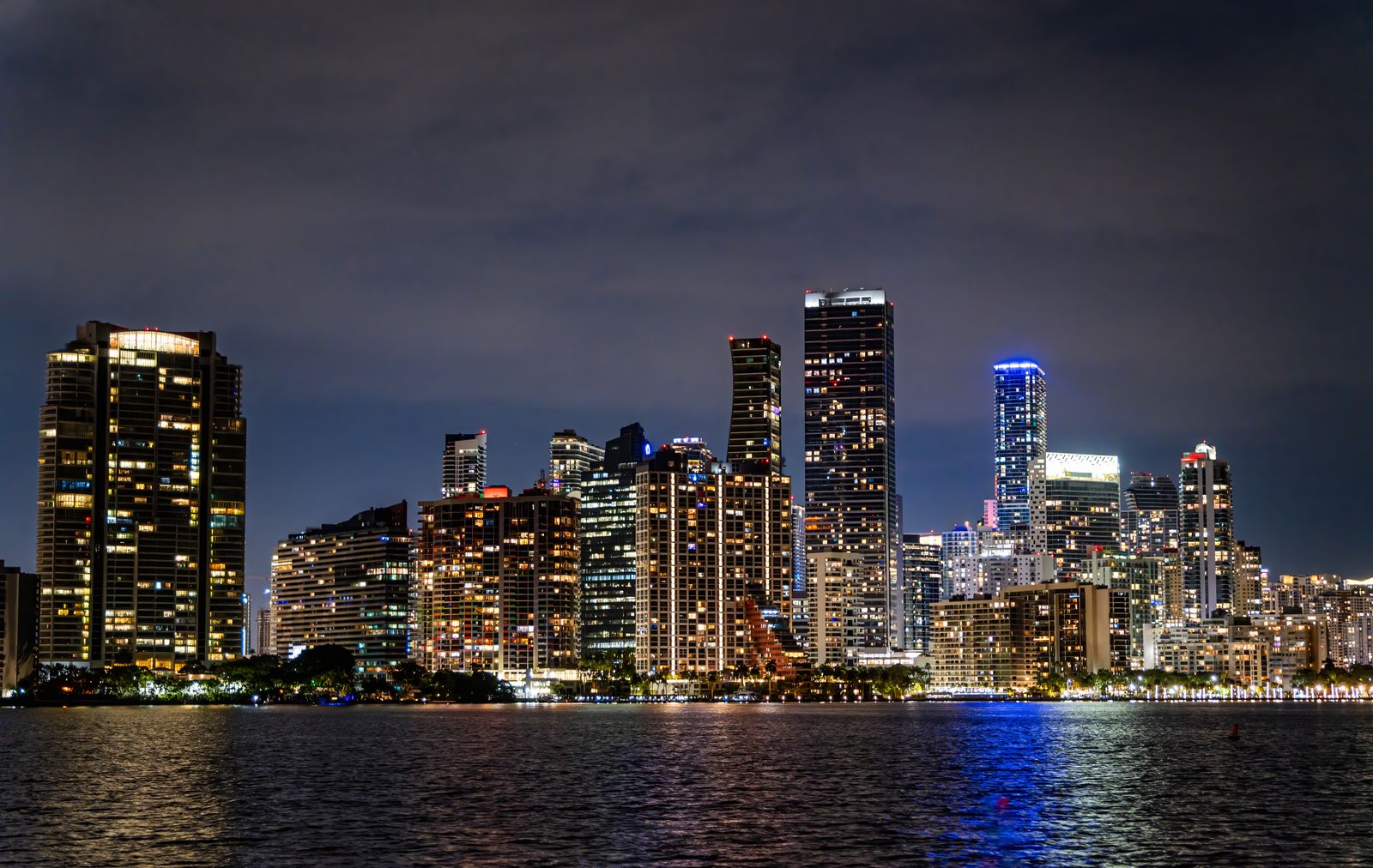
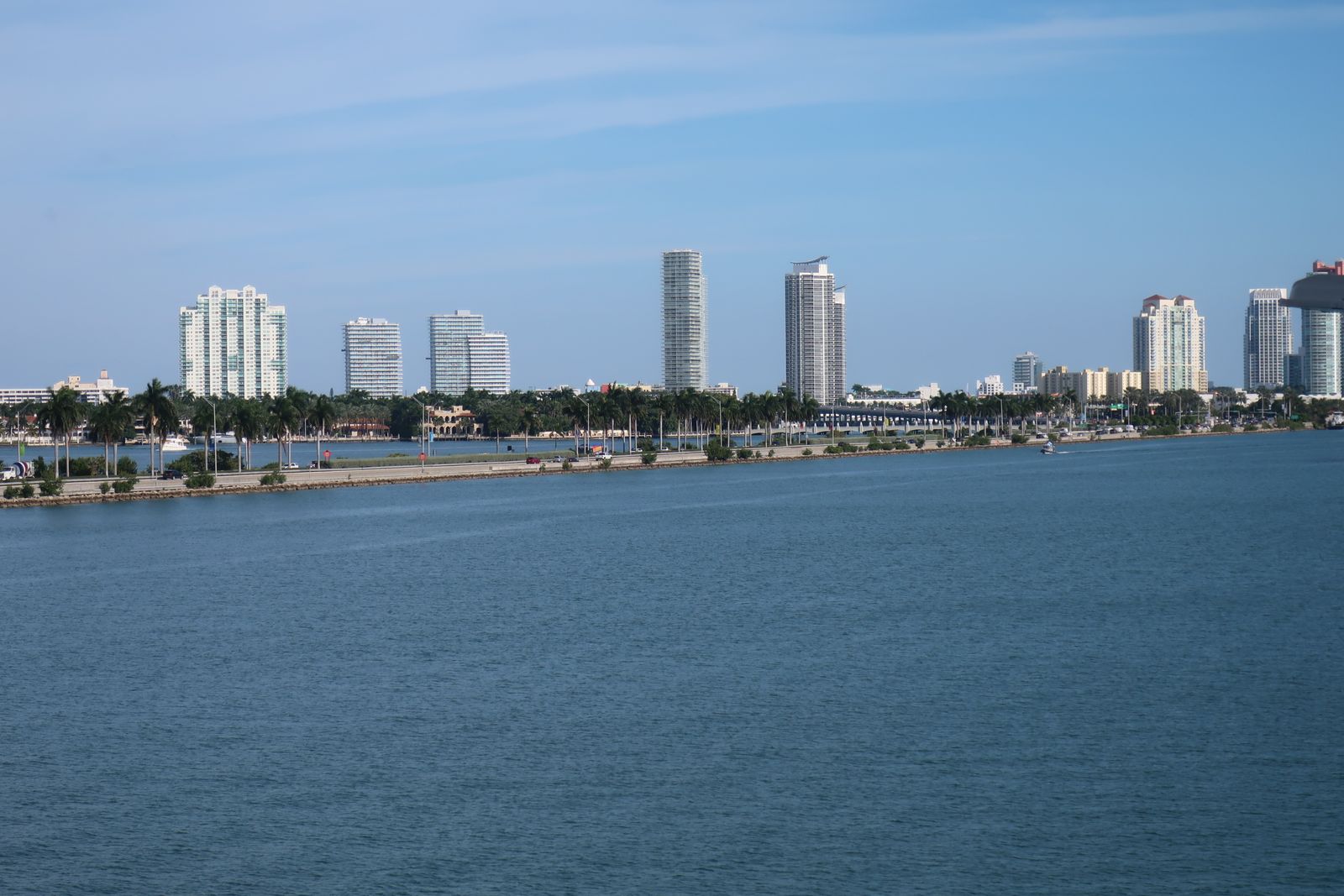
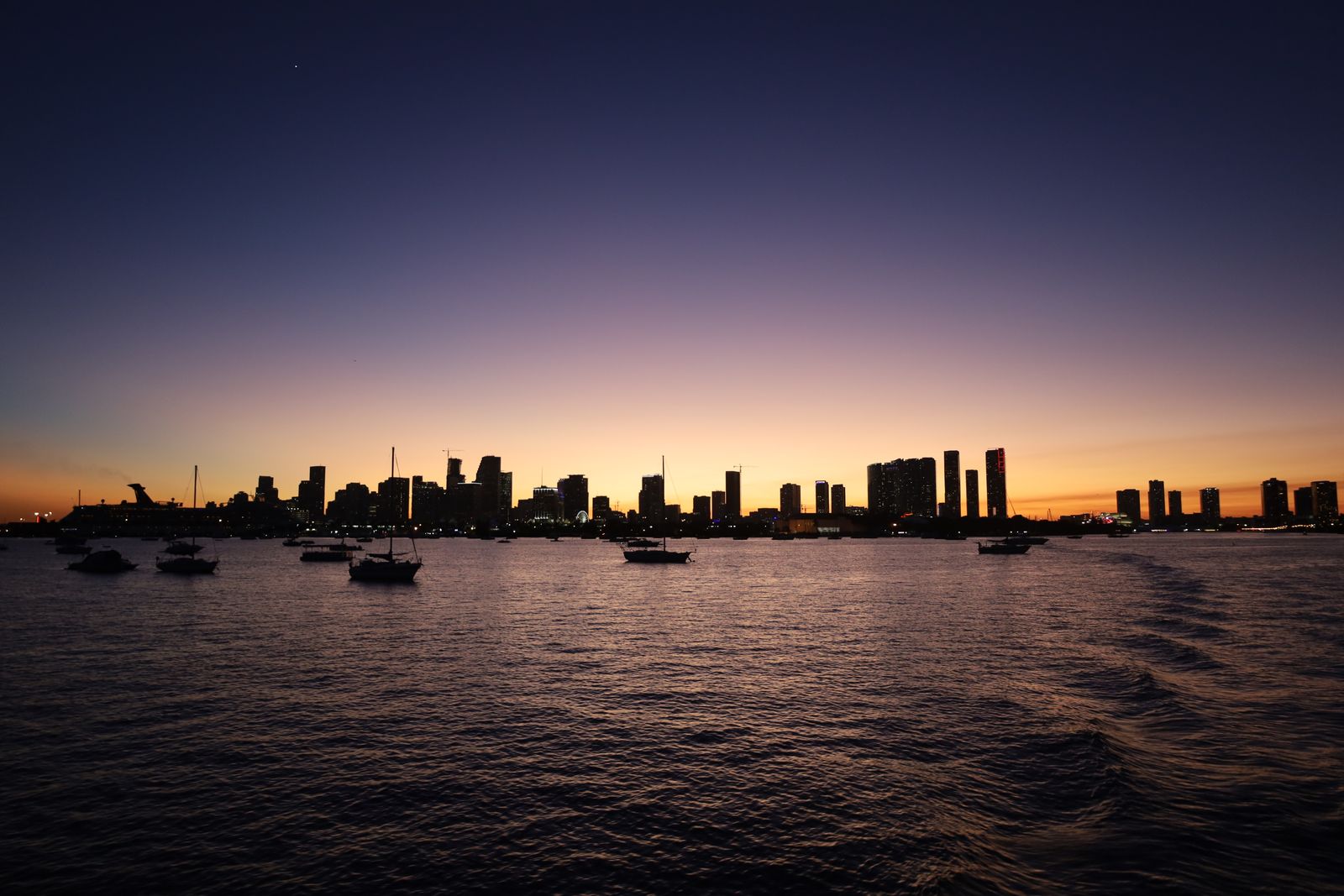
Miami, through my lens.
Buyer questions
What people ask me about Miami.
Is Miami a good place to buy a home?
For the right buyer, yes. Long-term demand is real: the weather, the job growth, and no state income tax keep people moving here year after year. But Miami rewards homework: insurance, HOAs, and flood zones can change the monthly payment fast, and the wrong neighborhood for your commute will wear you down. Buy for the lifestyle and the long term, verify the numbers honestly, and you’re in one of the most resilient markets in the country.
How much are homes in Miami right now?
I won’t quote you a number that’s stale by next week, because Miami’s range is enormous: condos near downtown, family homes in the suburbs, and luxury on the water are three different markets with three different price tags. What matters is your budget and your must-haves. Text me at (786) 302-7630 and I’ll pull today’s real numbers for the neighborhoods that actually fit you.
Is Miami safe?
Miami is a big city, and like any big city, it varies block by block. Most residential neighborhoods where families buy are perfectly normal places to live, with kids on bikes and neighbors who know each other. My honest advice: visit the street at different times of day, talk to the neighbors, and check the local crime maps yourself. I’ll never tell you a rough block is fine just to close a deal.
How bad is the commute in Miami really?
It depends entirely on the route. Some commutes are twenty easy minutes, others are an hour of brake lights on the Palmetto. That’s why I make buyers test-drive the actual commute at rush hour before writing an offer: the listing never shows you the traffic. Living near your job, or near a Metrorail line, is the single biggest quality-of-life decision in this county.
Can I buy a condo and rent it on Airbnb?
Maybe, but verify before you buy, because this is where people get burned. Miami Beach has some of the strictest short-term rental rules in Florida, many buildings prohibit short stays entirely, and HOA rental caps are common everywhere in the county. I check the city zoning and the building’s rules at the specific address before you write an offer, so you never buy an ‘investment’ you can’t legally rent.
Thinking about Miami?
Buying, selling, or just curious what your options look like: it starts with a conversation. No pressure, no obligation.
Hablo español: English y español, start to finish. 🇩🇴