
Relocating from New York
Trading New York for South Florida? Here's the real exchange rate.
New Yorkers are one of the biggest groups moving to South Florida, and the reasons are obvious: taxes, weather, space. But the move has real tradeoffs too. Here's the honest breakdown from someone who helps NY transplants buy here every year.
Emmanuel's take
What I'll tell you about leaving New York.
New Yorkers move here for the math, and the math is real. Between state and city income tax, a high earner in NYC can pay around 10 to 14 percent of their income to New York before federal taxes even start. Florida takes zero. That's not a small number. That's a lifestyle.
But here's what I tell every New Yorker: don't move for taxes alone and then get blindsided by insurance. Homeowners insurance here costs multiples of what you paid up north. Run the full monthly number with me before you fall in love with a house. The tax savings are real, and so are the insurance bills.
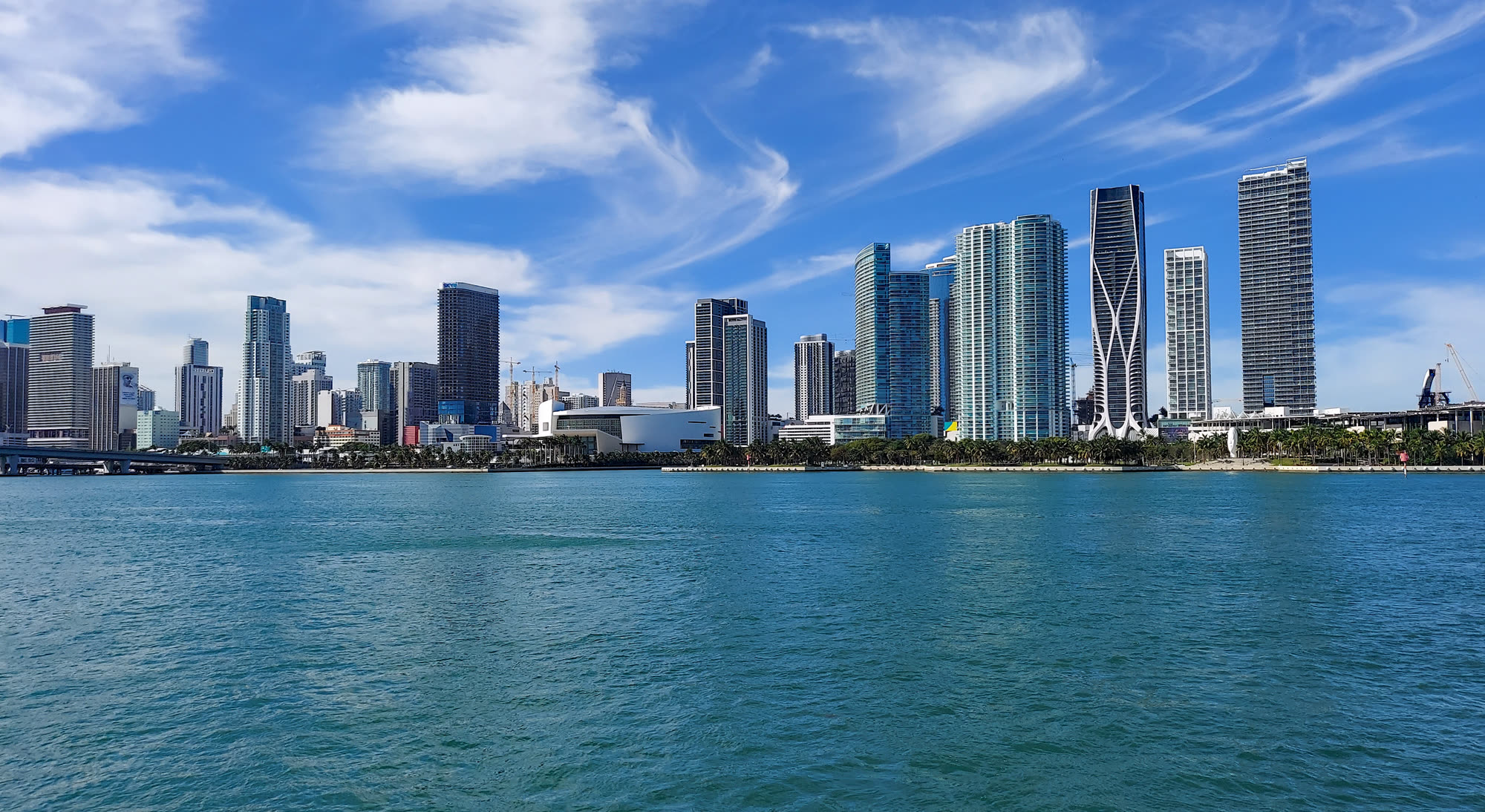
Where you land depends on the New York you're leaving. Manhattan energy people go Brickell and Edgewater. Brooklyn brownstone people go Coral Gables and Miami Shores. Long Island family people go Weston, Parkland, and Boca. Tell me your New York neighborhood and I'll tell you your Florida equivalent.
The guide
New York to South Florida: the breakdown.
The tax picture
New York State's top income tax rate is around 10.9%, and New York City adds roughly another 3% on top. Florida has no state income tax at all. For a high earner, that's potentially tens of thousands a year back in your pocket. One warning: New York audits residency aggressively. If you're keeping ties up north, talk to a tax professional about domicile rules before you assume you've cut the cord.
What your money buys
A one-bedroom in Manhattan buys a two or three-bedroom condo in Brickell, or a single-family home with a yard in Kendall, Homestead, or west Broward. Space is the thing New Yorkers underestimate: closets you can walk into, parking that's included, a yard. The tradeoff is walkability. Outside of Brickell and a few pockets, South Florida is a driving town.
Where New Yorkers land
Brickell and Edgewater for the Manhattan crowd: high-rises, walkability, energy. Coral Gables and Miami Shores for the brownstone crowd: trees, history, character. Weston, Parkland, and Boca Raton for the suburban family crowd: top schools, planned communities. Fort Lauderdale for the best of both: city life with a slightly slower pulse.
What you'll miss (honestly)
The subway. Real public transit barely exists here, and you'll feel it. Seasons: you'll get two, hot and less hot. The food scene is excellent but different. And the pace: things move slower here, from service to traffic to bureaucracy. Most transplants adjust in six months. Some never do, and that's fine too.
The insurance reality check
This is the line item that shocks New Yorkers most. A policy that cost you $1,500 a year up north can cost $4,000 to $7,000 here, more near the coast or for older roofs. Newer construction with impact windows insures cheapest. Always get a quote during your inspection period. I insist on it with every relocating buyer.
Questions
What New Yorkers ask me.
How much do I save moving from New York to Florida?
It depends on your income, but the big lever is income tax: New York State plus New York City can take around 10 to 14 percent at the top end, while Florida takes zero. Against that, budget higher homeowners insurance and possible flood insurance. I run the net number with buyers using their actual situation.
Where do New Yorkers move in South Florida?
Brickell and Edgewater for city energy, Coral Gables for character, Weston and Parkland for top schools, Boca Raton for the suburban upgrade, Fort Lauderdale for balance. Tell me your New York neighborhood and your budget and I'll match you to the right area.
Can I keep my New York job and work remotely from Florida?
Many do, but residency for tax purposes is about domicile, not just where your laptop sits. New York is aggressive about auditing former residents. The 183-day rule is the starting point, not the whole story. Get a tax professional involved early.
What about hurricanes?
Hurricane season runs June through November. Modern building codes are strict, impact windows and shutters are standard on newer homes, and you learn the drill fast. It's a real factor, not a dealbreaker. Insurance and preparation handle it.
Is Miami as walkable as New York?
Brickell is the closest thing: genuinely walkable, with the Metrorail and the Brightline. Most of South Florida is car-dependent though. If walkability is non-negotiable, we focus the search on Brickell, South Beach, downtown Fort Lauderdale, and downtown West Palm.
Leaving New York?
Tell me your timeline and what your life looks like up there. I'll match you to the right South Florida area and run the true monthly math, taxes to insurance, before you commit.
Hablo español: English y español, start to finish. 🇩🇴